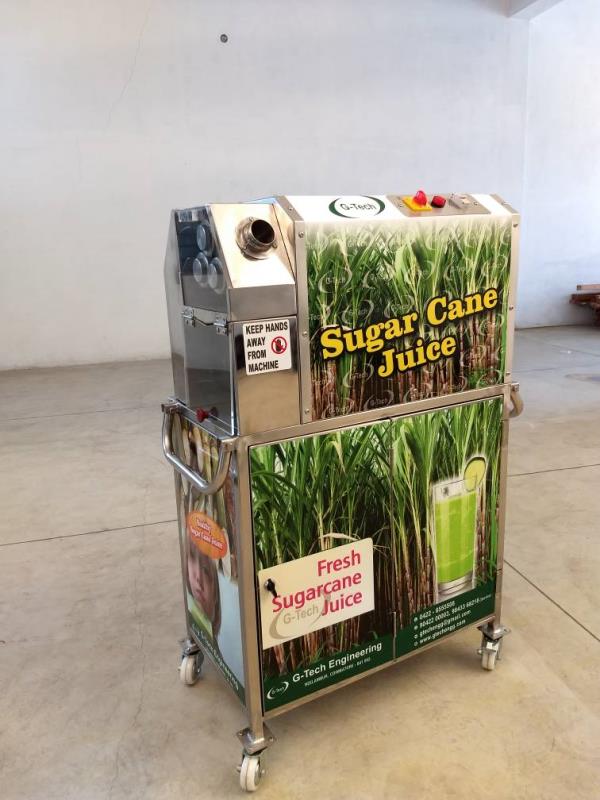
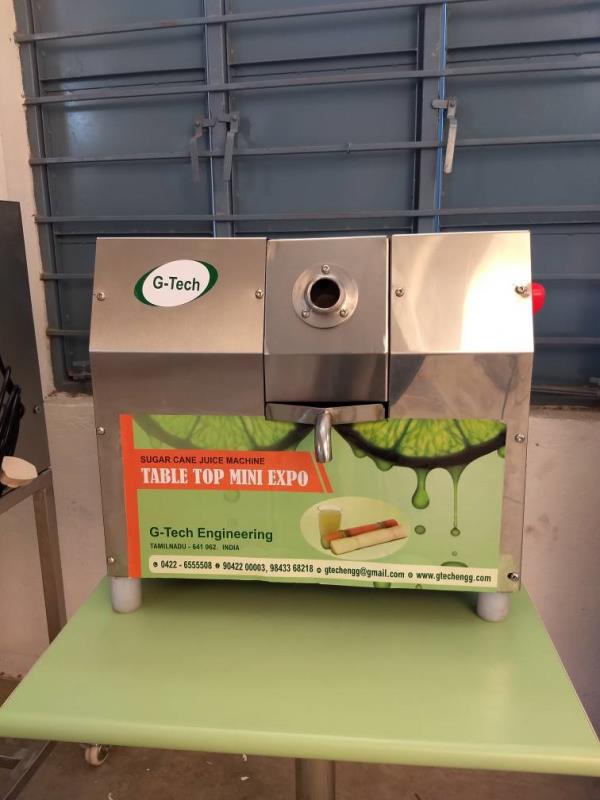
Sugarcane Juicer Machine Problems When Using Sugarcane Peeler Machine Equipment
Peeling changes the cane before it reaches the rollers: its diameter, surface grip, moisture, fibre content, and shape all affect extraction. By following the correct preparation sequence and testing each machine separately, you can identify whether low yield, slipping, overheating, blockages, or vibration starts in the peeler or the juicer.
Key takeaways
- Inspect cane diameter, bends and damaged ends before peeling or juicing.
- Keep peeled cane pieces within the juicer’s specified feed length and diameter.
- Check roller gap, feed alignment and drive load before changing settings.
- Test the peeler and juicer separately to locate the failing machine.
How peeling creates juicer problems
Most sugarcane juicer machine problems with sugarcane peeler machine equipment start with a mismatch between the cane shape and the roller gap. Commercial juicers are usually designed for washed cane with the rind still present.
Peeling reduces the diameter and can leave a tapered or flattened section, so the rollers apply less pressure at one point and excessive pressure at another.
The outer rind also provides a firm, continuous gripping surface. After peeling, the exposed cane can be wetter, smoother, or…