Increasing kova production sounds straightforward until a sweet business calculates the hours spent heating, reducing and continuously mixing milk. As production expands, the traditional process can consume considerable labour and occupy experienced staff for long periods.
A Milk Kova Making Machine in Coimbatore can become relevant when manual preparation begins limiting daily output.
Identify the Actual Production Bottleneck
Before purchasing machinery, determine what currently restricts production.
Is it the time required for stirring? Limited batch capacity? Difficulty handling several batches? Staff availability during peak seasons? Inconsistent processing between shifts?
A machine provides the greatest value when it addresses a clearly identified constraint.
Capacity Should Follow Sales Demand
Equipment should be selected using realistic production numbers.
Calculate average daily kova requirements and compare them with peak-season demand. Sweet shops often experience substantial increases around festivals, weddings and large catering orders.
The objective is to select enough capacity for practical growth without investing unnecessarily in equipment far beyond foreseeable requirements.
Evaluate the Complete Cooking Process
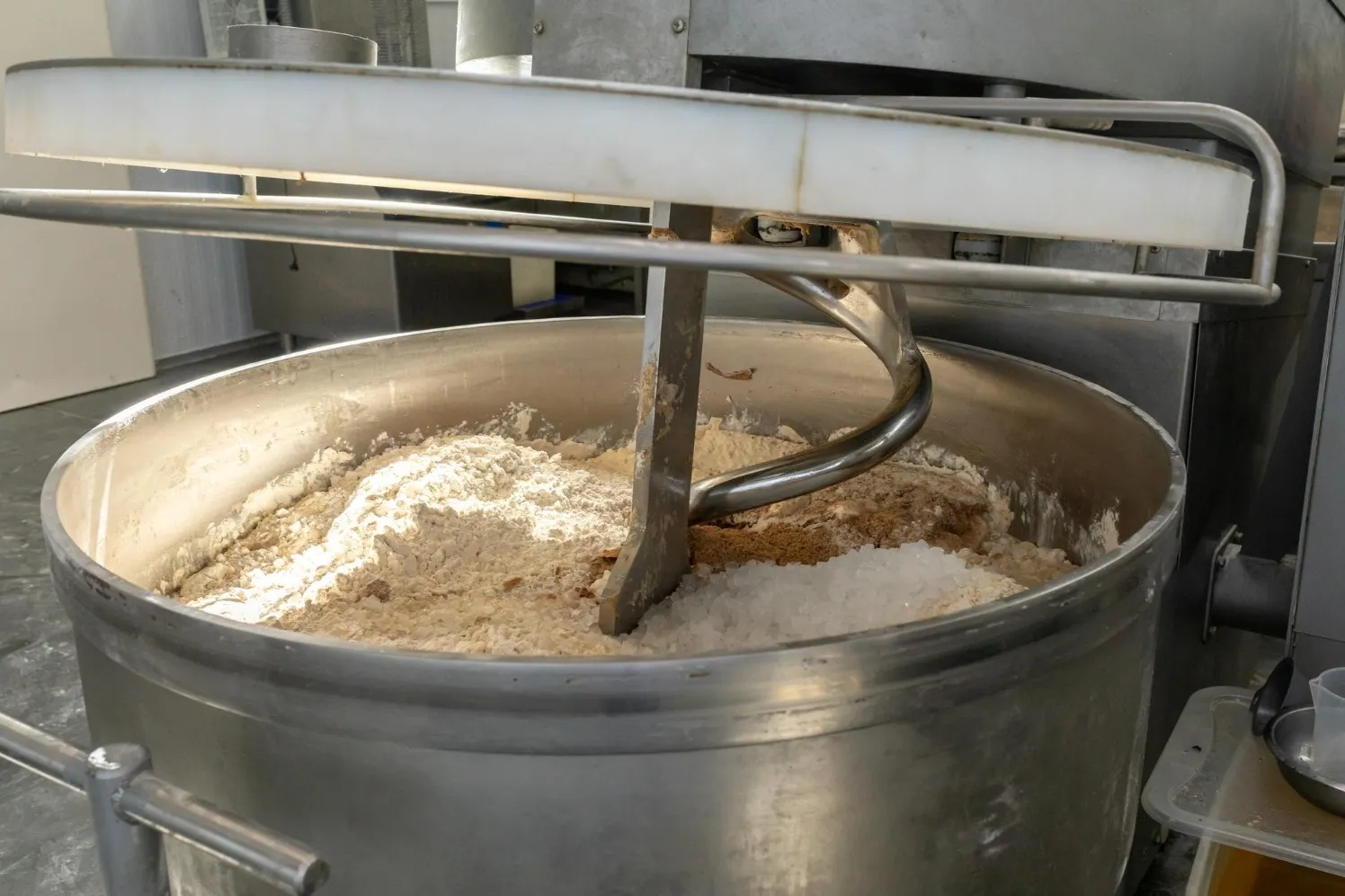
Kova production involves progressive reduction of milk, meaning product consistency changes throughout cooking. Mixing and heat management therefore remain important from beginning to end.
When comparing machines, discuss:
- Typical batch quantity
- Heating arrangement
- Mixing mechanism
- Product discharge
- Cleaning requirements
- Power requirements
- Installation dimensions
Providing sample production information can help the manufacturer understand the intended application.
Consider Labour Savings Properly
Return on investment should not be calculated solely from the number of employees involved.
Consider how much staff time is spent on repetitive stirring and supervision. If mechanisation allows experienced workers to handle ingredient preparation, shaping, packaging or other products simultaneously, the operational benefit may extend beyond direct labour reduction.
Local Manufacturing Can Simplify Communication
Businesses purchasing food machinery often need technical discussions about capacity, installation and operating procedures.
For sweet manufacturers in Coimbatore and other parts of Tamil Nadu, dealing with a regional manufacturer can make these conversations more practical. G Tech Engineering manufactures commercial food-processing machinery for businesses evaluating production automation.
Buyers should ask for specifications relevant to their own workflow instead of assuming that a standard capacity will suit every operation.
A kova-making machine becomes a sensible investment when demand has moved beyond what manual preparation can handle efficiently. The right decision should balance production volume, available space, utility requirements, cleaning, maintenance and future growth.
For a growing sweet business, mechanisation works best when it removes a genuine production constraint while preserving control over ingredients and final product quality.
Keywords