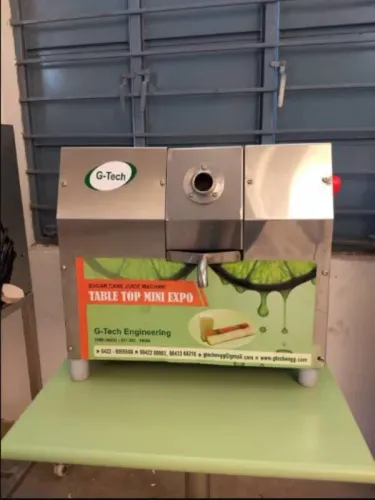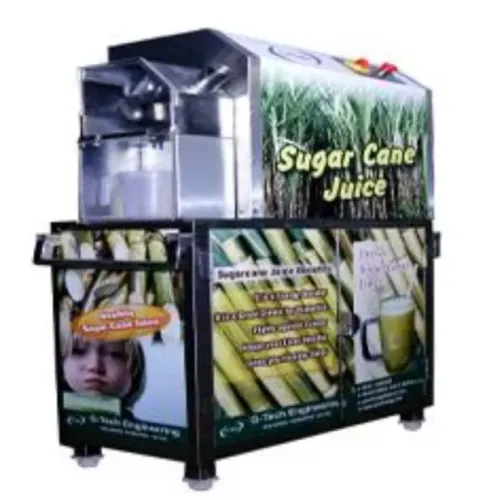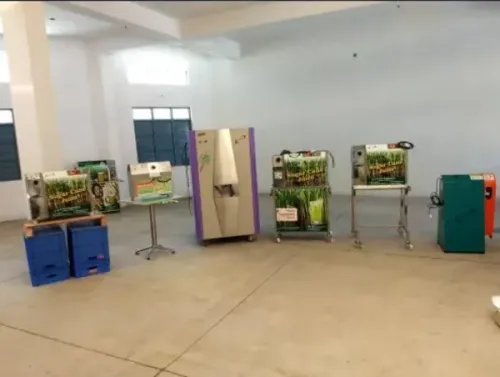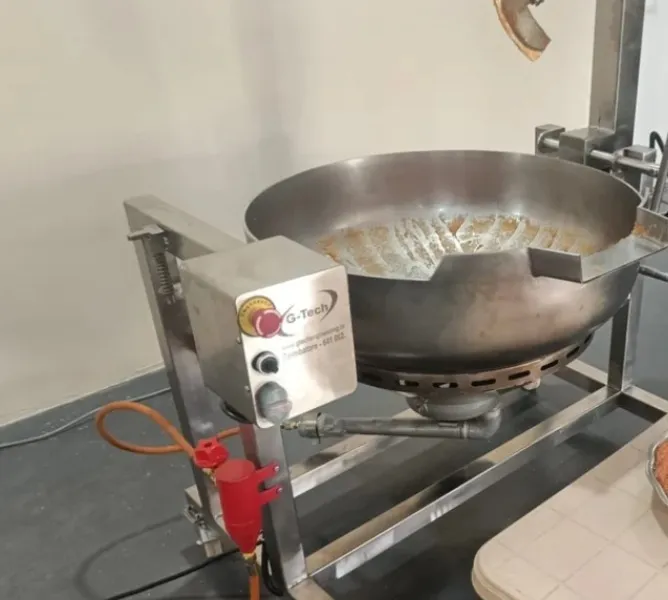
Khoya forms the base of many Indian sweets, making its preparation an important production stage for sweet shops, dairy businesses and commercial kitchens. When daily requirements increase, a Khoya Making Machine can help reduce the physical effort associated with prolonged heating and stirring.
Buying the right equipment, however, requires a clear understanding of production needs.
1. Define Your Required Batch Size
Start with actual production figures.
How much khoya is currently prepared in one batch? How many batches are produced daily? Is demand significantly higher during festivals and wedding seasons?
Equipment capacity should reflect both routine requirements and realistic peak demand.
2. Understand Heating Requirements
Milk-based products require controlled heating because excessive heat or uneven processing can affect the final result.
Ask how the equipment supplies and manages heat. The appropriate system will depend on the machine configuration and production environment.
3. Examine the Mixing Mechanism
Continuous mixing is one of the labour-intensive parts of traditional khoya preparation.
Evaluate how the machine handles mixing as the milk gradually thickens. The mechanism should suit the changing consistency of the product throughout processing.
4. Check Food-Contact Construction
Materials used in areas that contact milk and khoya deserve careful attention.
Ask the manufacturer to explain the construction, cleaning procedure and maintenance requirements rather than relying solely on photographs or general descriptions.
5. Calculate Available Installation Space
Commercial machinery requires more than its physical footprint.
Allow room for operators, ingredient handling, finished-product removal, cleaning and maintenance access.
6. Discuss Cleaning Before Purchasing
Milk residue requires thorough cleaning. Buyers should know which components need cleaning after production and how easily those areas can be accessed.
A practical cleaning process is especially important for businesses running multiple batches.
7. Consider Seasonal Demand
Sweet production can rise sharply around Deepavali, weddings and other celebrations across Tamil Nadu. Equipment planning should account for these periods without unnecessarily oversizing machinery for the rest of the year.
Coimbatore's food and engineering sectors make the city a natural sourcing centre for commercial processing machinery. G Tech Engineering supplies food-production equipment for businesses assessing ways to mechanise labour-intensive kitchen operations.
8. Ask About Service and Operating Guidance
Machine ownership continues after installation. Buyers should understand routine maintenance, operating procedures and how service requirements are handled.
A khoya machine should ultimately fit the business's recipe, volume and workflow. Comparing equipment on capacity, construction, heating, mixing, cleaning and service gives sweet manufacturers a much stronger basis for investment than simply choosing the lowest quotation.
Keywords