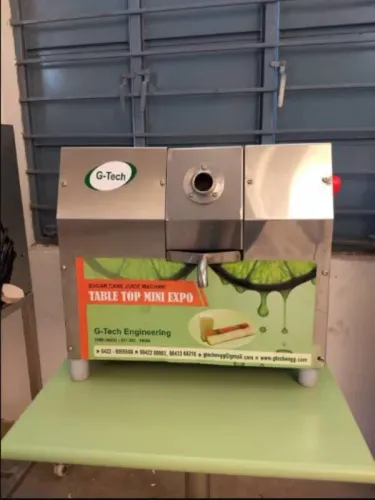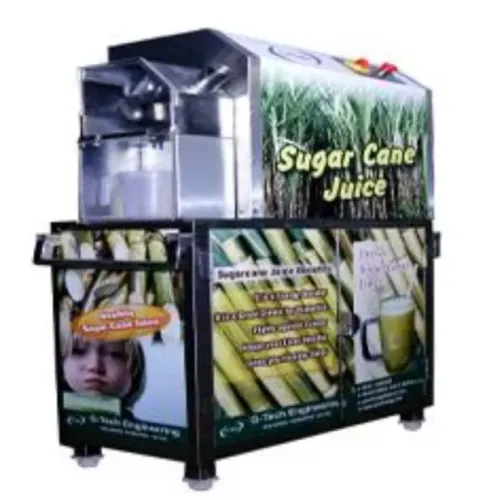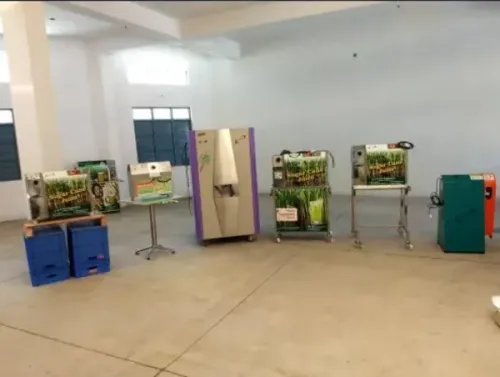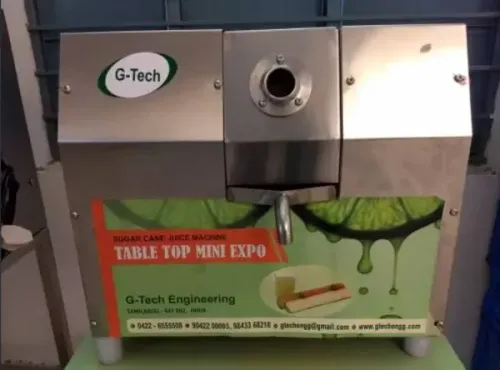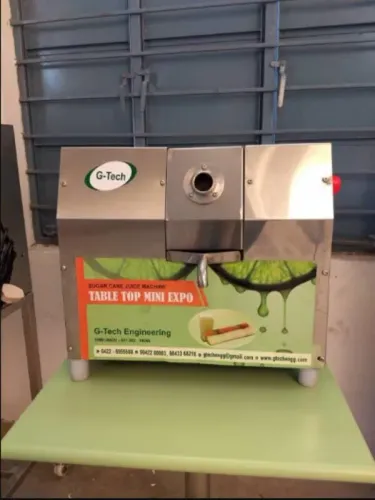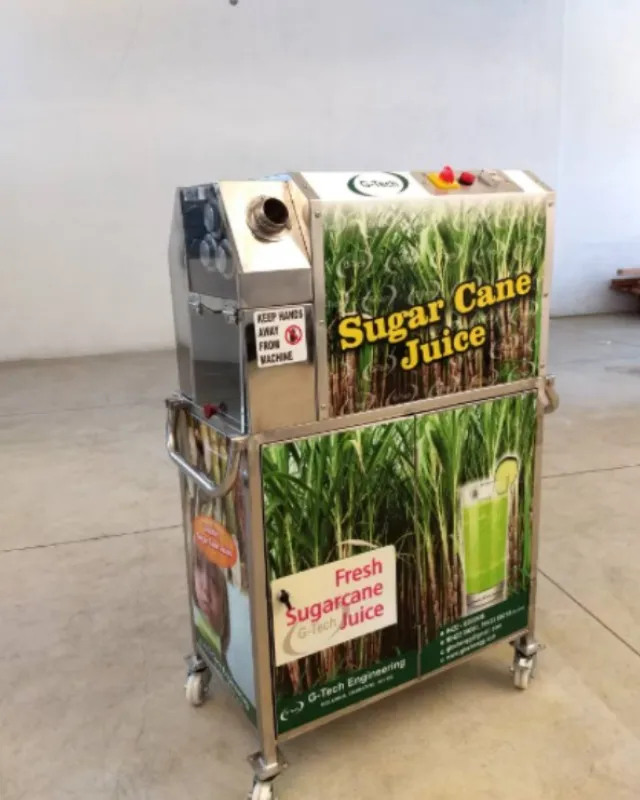
Fresh sugarcane juice remains a popular refreshment across Tamil Nadu, particularly during warm weather and busy daytime hours. For juice shops, roadside beverage outlets, canteens, food courts, and small food businesses, choosing the right Sugarcane Juice Machine can make daily preparation faster, cleaner, and more consistent.
Traditional manual crushing requires considerable physical effort and may become difficult to manage during peak customer hours. A properly designed machine reduces repetitive manual work while helping operators extract juice efficiently from sugarcane.
How a Sugarcane Juice Machine Works
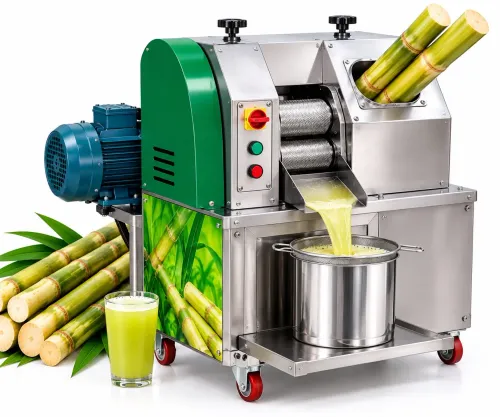
A typical machine uses crushing rollers to press sugarcane stalks and extract the juice. Depending on the model, the rollers may be powered electrically or operated through another drive mechanism. The extracted juice is collected separately while the crushed cane residue exits from the machine.
For commercial users, important factors include:
- Roller quality and crushing efficiency
- Food-contact material used in construction
- Motor capacity
- Ease of feeding sugarcane
- Cleaning accessibility
- Machine dimensions
- Daily operating capacity
- Maintenance requirements
The appropriate specification depends largely on expected customer volume.
Why Machine Capacity Matters
A small juice counter may not require the same equipment as a high-volume outlet near a market, college, industrial area, or transport hub. Buying an oversized machine can unnecessarily increase investment and occupy valuable counter space. Choosing an undersized unit can create queues during busy periods.
Operators should estimate how many glasses they expect to serve during their busiest hour rather than considering only average daily demand.
Hygiene Should Be Part of Machine Selection
Sugarcane juice equipment comes into direct contact with a consumable product. Surfaces around the rollers and juice collection area therefore need regular cleaning.
A practical commercial machine should allow operators to access important cleaning points without making routine sanitation unnecessarily complicated. Stainless steel components are commonly preferred for food-processing applications because they provide a practical, easy-to-maintain working surface when handled correctly.
Local Requirements in Coimbatore
Coimbatore has a diverse food-business ecosystem ranging from neighbourhood juice shops to restaurants, caterers and commercial kitchens. Local buyers often benefit from considering equipment dimensions, electricity availability, expected production, service requirements and access to replacement components before purchasing.
Manufacturers such as G Tech Engineering serve businesses looking for food-processing machinery suited to commercial operating environments.
The best machine is not simply the one with the highest capacity. It is one that matches the outlet's actual workload, available space, cleaning routine and expected operating hours.
For entrepreneurs planning a sugarcane juice business in Coimbatore or elsewhere in Tamil Nadu, evaluating these practical factors before purchase can help create a smoother workflow from the first day of operation.
Keywords