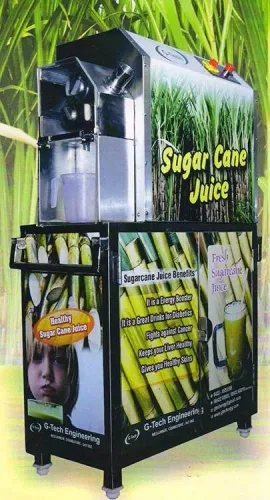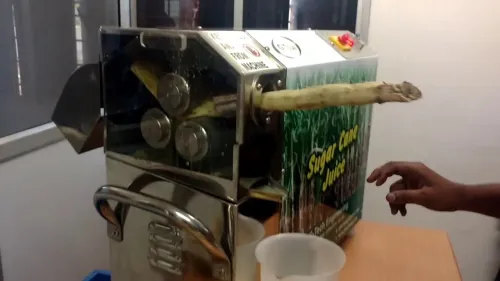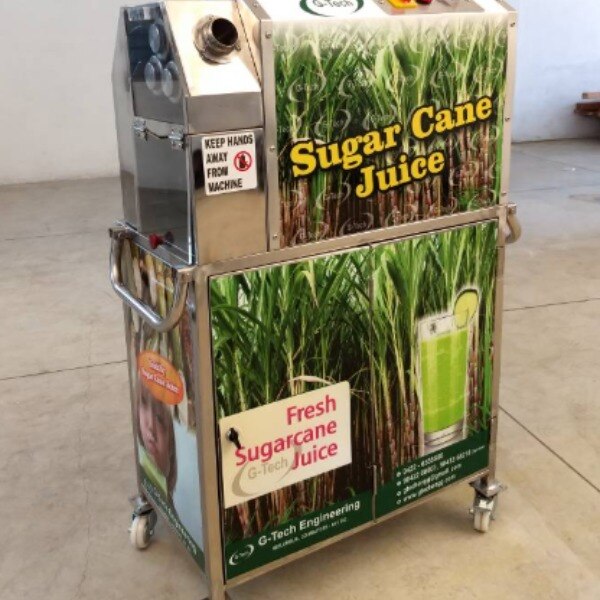
A quotation for a sugarcane peeler is incomplete if it lists only horsepower, stainless-steel construction and an hourly capacity. You will be able to define the process, compare like-for-like specifications and set a site acceptance test that proves whether the machine suits your cane, operators and juice line.
Key takeaways
- Confirm whether you need peeling, washing, scraping, cutting or juice extraction.
- Request rated capacity, recovery yield and test results using your cane variety.
- Demand food-contact materials, cleanable guards and documented electrical requirements.
- Compare quotations by included equipment, commissioning, spares and acceptance tests.
Is a sugarcane peeler the right machine for your process?
A quoted sugarcane peeler machine may not peel cane at all, and peeling is not normally necessary for juice production. “Sugarcane peeler machine” is not a standard equipment category; suppliers may mean a cane washer, rind scraper, cutter, preparation unit or complete juice-extraction line.
Request a written process description covering:
- Whole stalks, cut sections or individual pieces
- Removal of leaves, nodes, roots and rind
- Feed orientation and manual preparation
- Final product format, such as peeled pieces, prepared stalks or extracted juice
| Option | What it does | When it fits |
|---|---|---|
| Manual preparation | Workers wash, trim and remove unwanted material | Low volume or variable cane |
| Cane cutter | Cuts stalks into feedable sections | When length and feeding control matter |
| Conventional crusher | Washes, trims and crushes whole stalks | Juice production without full rind removal |
| True peeler | Scrapes or removes the outer rind | When peeling improves a defined downstream result |
A true peeling stage adds motor power, product loss, cleaning work and another contamination point. Compare that cost with the benefit in juice quality, extraction yield or downstream processing; commercial cane processing equipment does not need a peeler merely because a quotation uses the word.
Before treating an agricultural peeler machine as suitable, require a continuous demonstration using your own cane, including its normal diameter, curvature, moisture and maturity. Confirm what enters the machine and what comes out. If the supplier cannot show actual rind removal and a measurable process advantage, specify a washer, cutter or crusher instead.
Which capacity and yield figures belong in the specification?
Specify capacity as kilograms of cane per hour under a defined test load, not only pieces per hour, cans per hour or motor horsepower. For sugarcane peeler machine specifications in Coimbatore, state cane diameter, length, curvature, moisture condition, variety or maturity range, feed orientation, and whether leaves, nodes, roots and preparation are handled manually.
Record these conditions before accepting a quoted figure:
- Input cane mass, timed operating hours, stoppages, rejected or reworked cane, recovered juice mass or volume, bagasse mass, and material left inside the machine.
- Extraction yield: recovered juice mass ÷ input cane mass × 100.
- Peeling time, percentage of surface removed, edible cane loss and waste mass.
A high throughput can conceal poor extraction when rollers run too quickly, preparation varies, or feed exceeds the crushing gap. Measure residual sugar in a representative bagasse sample separately; a heavy bagasse stream can still contain valuable sugar even when the calculated juice yield looks acceptable.
| Figure | Measurable specification | What it exposes |
|---|---|---|
| Advertised capacity | kg of cane/hour with stated cane condition and continuous run | Inflated pieces-per-hour claims |
| Extraction result | Juice mass, bagasse mass and yield percentage | Poor crushing hidden by speed |
| Peeling result | Time, surface removal percentage, edible loss and waste mass | Excessive peeling or product loss |
| Acceptance record | Stoppages, jams, rework and material retained inside | Capacity unavailable in real operation |
Use commercial cane processing equipment comparisons only after testing the intended cane, because straight, fresh stalks do not represent thick, dry or irregular feed.
What mechanical, material and hygiene details should you demand?
Specify the mechanism first: blades, abrasive rollers, rotating shafts, scrapers or several stages. Demand adjustment range, tool material, estimated wear life, sharpening method and local availability of replacement blades, roller coverings, bearings, seals and screens. Demonstrate the agricultural peeler machine with normal cane before approving a sugarcane peeler machine in Coimbatore.
- For crushing, record roller diameter, surface profile, crushing-gap adjustment, drive reduction, roller torque, anti-slip feeding and overload response.
- State AISI 304 for ordinary food-contact service, or AISI 316 where chloride exposure or aggressive cleaning justifies the added cost.
- Identify the grade separately for rollers, chutes, juice trays, fasteners and weld repairs.
- Require smooth continuous welds, sealed hollow sections, no horizontal ledges and fully drainable juice paths.
- Isolate bearings, gearboxes and lubricants from every product-contact surface.
A quotation must separate hose-down capability from immersion cleaning. It must state the ingress-protection rating and cleaning procedure for motors, switches, control panels, bearings and cable glands; an ordinary workshop motor is not proof against daily juice and water exposure.
Require timed figures for loading, unloading, sanitation, jam clearing and complete cleaning. Ask how screens, trays and guards are removed without trapping juice, peel or soil. If warm juice remains in inaccessible pipework, the machine creates a hygiene risk even when its exterior looks clean.
Which electrical, safety and site specifications affect installation?
A 415 V, three-phase, 50 Hz supply is common in Indian commercial installations, but verify the actual Coimbatore site supply before ordering. The electrical schedule must state full-load current, starting current, earthing arrangement, motor rated speed, duty cycle, gearbox arrangement and variable-frequency-drive details. Sugarcane peeler machine specifications in Coimbatore are incomplete without these values.
- Request overall dimensions, net weight, footprint, working height, floor clearance, feed opening, hopper volume, drainage point, water demand and operator access zones.
- Identify nip points at feed rollers, exposed cutters or scrapers, unexpected restart after a jam and reach-in hazards during cleaning.
- Specify fixed or interlocked guards, an accessible emergency stop, overload protection, a lockable isolator, electrical earthing and a documented lockout procedure.
| Check | Specify | Failure prevented |
|---|---|---|
| Electrical | Site voltage, phase, frequency, current, earthing, motor speed, duty, gearbox and VFD settings | Overheating, nuisance trips or incompatible operation |
| Site | Clearances around the feed opening and discharge, plus drainage and water connections | Blocked access, unsafe servicing or standing wastewater |
| Safety and PPE | Guards, emergency stop, overload trip and lockout steps; use close-fitting clothing and safety footwear. Permit cut-resistant gloves only after risk assessment; never place gloves near rotating feed points. | Nip injuries, cutter contact and unexpected restart |
Apply ISO 12100 for machinery risk assessment and risk reduction, including cleaning, jam clearing and maintenance. Have an electrician confirm earthing and protection before commissioning.
How should you compare quotations and approve a machine in Coimbatore?
Approve a quotation only after a continuous site trial using your cane variety in its normal seasonal condition. An empty-machine demonstration proves almost nothing; run the machine at the proposed feed rate and record:
- Throughput in kilograms per hour, three-phase load, motor temperature, vibration and noise
- Gearbox leakage, jam-recovery time, stoppages, cleaning duration and juice retained in trays or pipework after shutdown
- Bagasse condition, recovered juice mass and final extraction yield
For a sugarcane peeler machine in Coimbatore, compare quotations against the same operating boundary and acceptance figures.
| Supplier | Confirm before approval | Why it matters |
|---|---|---|
| Supplier A | Washing, screening, chilling or immediate service, and waste handling | Warm juice left in inaccessible pipework deteriorates quickly |
| Supplier B | Operator count, water demand, drainage, footprint and floor access | Installation labour and site changes affect total cost |
| Supplier C | Wear-part life, spare blades, roller coverings, bearings, seals and screens | Cane soil and hard nodes accelerate wear |
| Supplier D | Local stock, technician response and service lead time | A failed wear part can stop production |
Calculate yield as recovered juice mass divided by input cane mass, multiplied by 100, and record residual sugar in bagasse separately. Reject a “high production” claim that lacks these measurements.
When assessing commercial cane processing equipment, ask G Tech Engineering to define the process boundary, arrange the cane trial and document pass or fail criteria. Choose measured output and serviceability, not the lowest motor rating or the brightest stainless-steel finish.
Frequently asked questions
Is a sugarcane peeler the right machine for juice production?
Not necessarily. Sugarcane is usually washed, cut or prepared before juice extraction; suppliers may use “peeler” for a washer, rind scraper, cutter or complete processing line. Define the operation before comparing machines.
Which capacity and yield figures should a specification include?
Ask for feed capacity in kilograms or tonnes per hour, operating speed, cane size range, recovery yield, peeling or preparation loss, power consumption and test results using your cane variety and moisture condition.
Which mechanical, material and hygiene details should you demand?
Specify roller or blade design, adjustment range, stainless-steel food-contact surfaces, weld finish, removable covers, drainage, cleaning access, lubrication points and replacement-part availability.
What should you check before installing commercial cane-processing equipment in Coimbatore?
Confirm motor rating, phase and voltage, earthing, starter or VFD requirements, machine footprint, service clearances, floor loading, water and drainage connections, guarding and emergency-stop locations.
Keywords