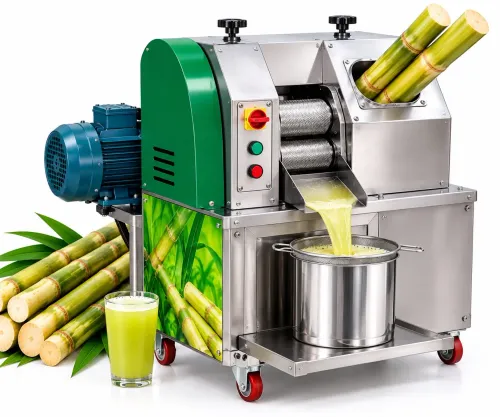
Manual peeling can become one of the most time-consuming tasks in commercial kitchens and food processing units. As production volumes increase, maintaining consistency while reducing labour costs becomes more challenging. This is where a reliable Peeler Machine offers practical advantages by improving efficiency without compromising product quality.
A peeler machine is designed to remove the outer layer of vegetables or fruits quickly while minimizing material loss. Restaurants, catering businesses, hotels, food manufacturers, and central kitchens often rely on these machines to streamline daily operations and improve productivity.
One of the first factors to evaluate is the type of produce that will be processed. Different businesses handle potatoes, onions, carrots, ginger, or other vegetables in varying quantities. Selecting a machine designed for the intended application helps ensure better performance and longer equipment life.
Capacity is another important consideration. Small kitchens may only require batch processing, whereas industrial food processors often need machines capable of handling several hundred kilograms each day. Matching the machine's output with production demand prevents operational bottlenecks.
When evaluating a commercial peeler machine, consider the following features:
- Food-grade stainless steel construction
- Uniform peeling performance
- Low raw material wastage
- Easy cleaning and maintenance
- Durable motor
- Safety protection features
- Stable operation during continuous use
- Readily available spare parts
Automation also contributes significantly to operational efficiency. Instead of assigning multiple workers to repetitive peeling tasks, businesses can redirect manpower toward cooking, packaging, or quality control. This not only improves productivity but also helps maintain consistent product quality.
For businesses operating in Coimbatore and across Tamil Nadu, investing in locally manufactured food processing equipment often provides additional advantages such as quicker service support, easier spare part availability, and reduced maintenance delays. These factors become particularly important when equipment is used every day in commercial environments.
Another common mistake buyers make is focusing only on purchase price. A lower-priced machine may require frequent repairs, consume more electricity, or deliver inconsistent peeling results. Looking at the total cost of ownership—including maintenance, durability, and efficiency—usually results in a smarter investment.
Food safety should remain a top priority. Machines that are easy to clean help maintain hygiene standards and reduce contamination risks. Smooth stainless steel surfaces also make regular sanitization faster and more effective.
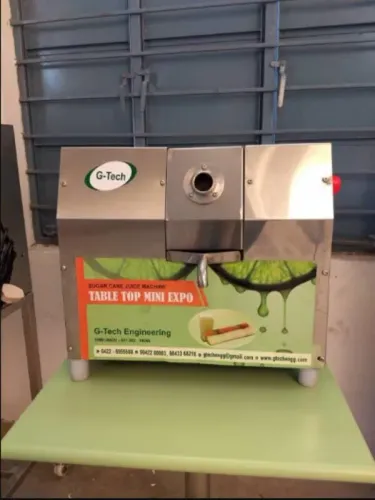
Companies like G Tech Engineering manufacture commercial food processing equipment intended to meet the varying production requirements of restaurants, food manufacturers, and industrial kitchens. Comparing specifications carefully and understanding operational requirements before purchasing helps businesses select equipment that delivers dependable performance over the long term.
A well-selected Peeler Machine can improve workflow, reduce labour dependency, minimize wastage, and support consistent food production every day.
Keywords